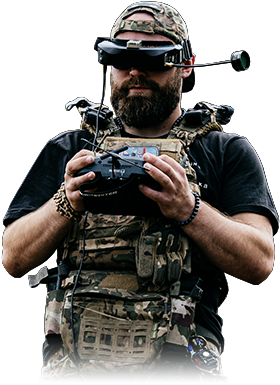

What impact drones is actively used by the Armed Forces in 2026
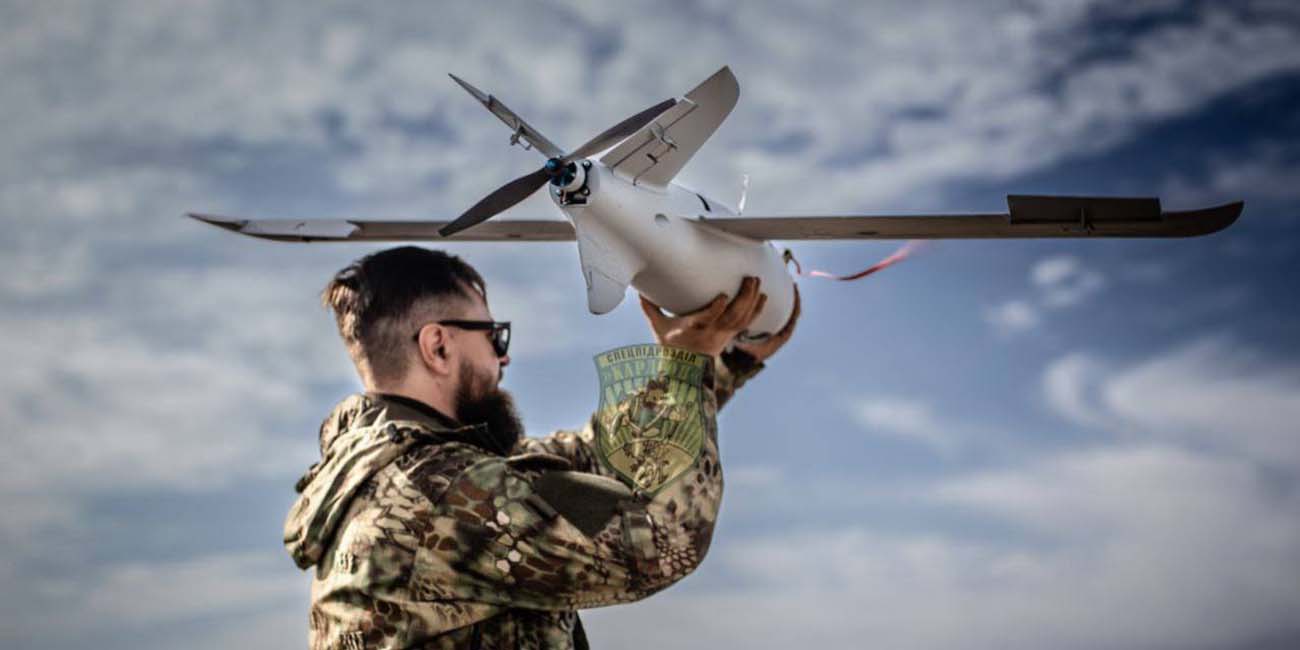
Unmanned aerial vehicles have become one of the key tools of modern warfare. The Armed Forces of Ukraine systematically use strike drones, FPV drones, reconnaissance UAVs and multicopters to destroy the enemy, adjust fire and collect intelligence.
What shock drones does the Armed Forces use
In 2026, the Armed Forces use several classes of impact drones, depending on the task:
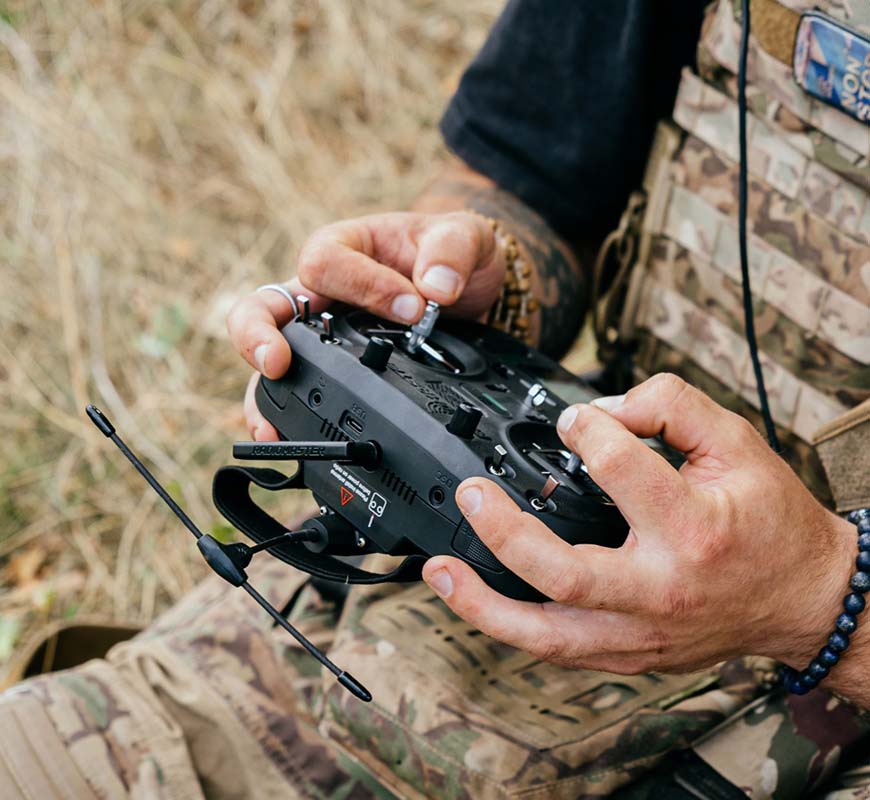
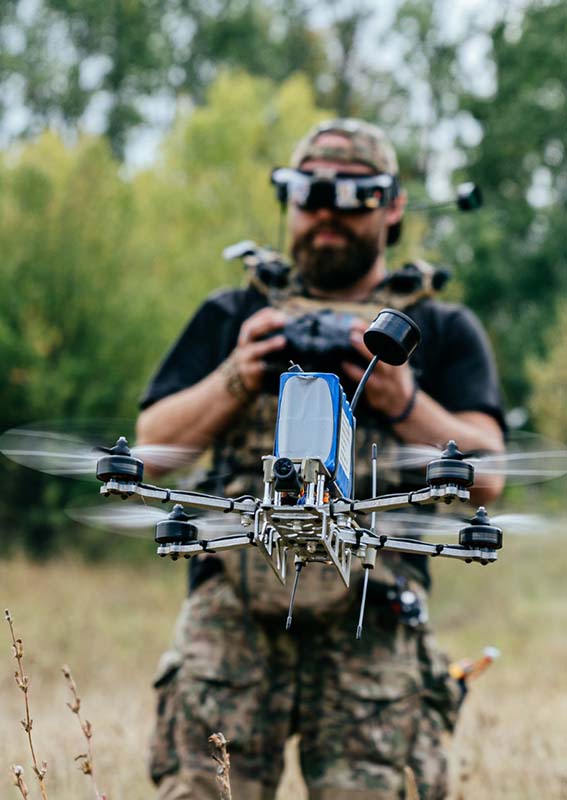
- FPV Drones (First Person View)
The most massive and most effective type of attack UAV.
Used for:- damage to vitality;
- destruction of armored vehicles;
- attacks on shelters, logistics, means of communication.
- Barrier Ammunition
Kamikaze drones of medium range, capable of being in the air for a long time and waiting for a target. - Operational Level Strike Drones
Drones with a long range, which are used for deep strikes on the rear of the enemy.
How many kilometers does the FPV drone fly
The flight range of an FPV drone depends on several factors:
- type of connection;
- relief;
- conditions of electronic struggle;
- specific configuration of the drone.
On average:
- 5—10 km — standard combat distance;
- up to 15—20 km — in special configurations.
FPV drones are valuable not for range, but for accuracy and speed of defeat, making them a basic tool at the tactical level.
How long does a drone fly
Flight time depends on the type of UAV:
- FPV Drone — 7—15 minutes
- DJI Mavic (reconnaissance) — 30-40 minutes
- ramming ammunition — up to several hours
- operational UAVs — tens of hours in the air
It is the combination of different types of drones that allows the Armed Forces to conduct continuous reconnaissance and point strikes.
Which Mavic is better for the Armed Forces
The DJI Mavic series remains one of the most popular tactical reconnaissance tools.
The most commonly used are:
- DJI Mavic 3/Mavic 3T — high quality optics, thermal imager;
- DJI Mavic 2 — reliable and time-tested;
- DJI Mini — limited, for specific tasks.
For the Armed Forces, it is not “civilian characteristics” that are important, but:
- stable video communication;
- night and thermal imaging;
- Deployment speed.
Where Bayraktar has gone
Bayraktar TB2s didn't disappear — they just changed roles.
At the beginning of a full-scale war, Bayraktar was a symbol of striking power. With the development of enemy air defense and REB, their use has shifted to:
- intelligence;
- control of water areas;
- special operations.
Modern warfare has shown that massive cheap drones are often more effective than single expensive platforms, so the focus has shifted towards FPV and tactical UAVs.
What are the names of Ukrainian drones
Ukraine is actively developing its own production of drones. Among the well-known directions:
- tactical FPV drones of Ukrainian production;
- reconnaissance UAVs;
- sea drones;
- ground-based robotic complexes.
The names of many systems are not public for security reasons, but Ukrainian drones have already become a full part of the technological advantage of the Armed Forces.
Conclusion
In 2026, drones are not an auxiliary tool, but the basis of modern combat operations of the Armed Forces of Ukraine. FPV drones, reconnaissance UAVs and strike systems ensure accuracy, speed and life saving for personnel.
It was the development of unmanned systems that became one of the key factors in deterring the enemy and improving the effectiveness of the Ukrainian army.